Vish Vishvanath - Photographer.
Displaying stories 1 - 4 of 12 in total

Five Crores and Fifty Lakhs →

A summer with the nomadic tribes of Gujarat

View story →


636_small

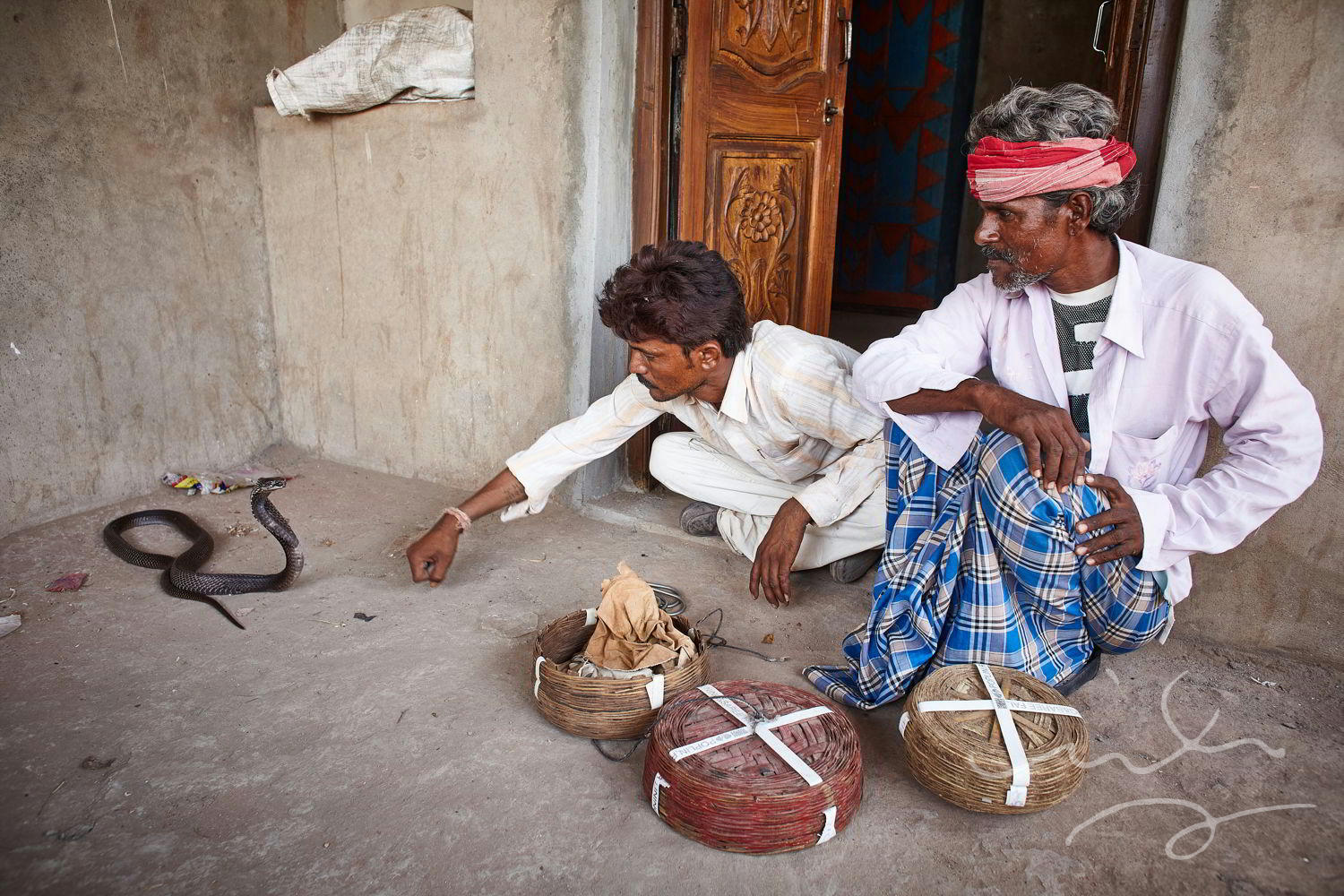
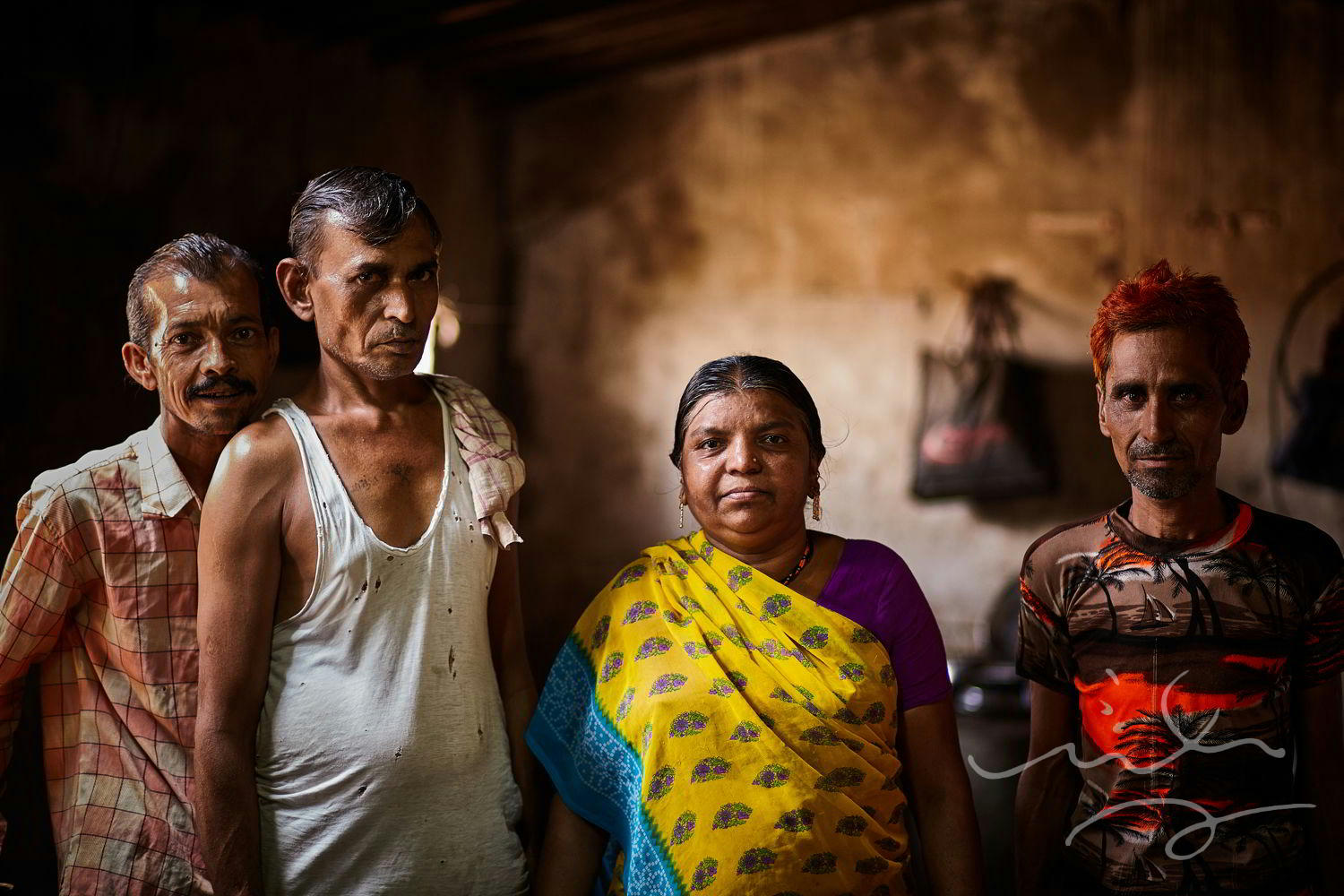
India, 2007: After first encountering the tribes in early February, I learned that Gujarat is home to around 50 million people – officially recognised, that is. The tribal population is estimated at five million, an extra ten percent. One tribesman, Ramanbhai Dafer, said to me at the time, “The Gujarat Chief Minister talks loudly about the ‘Five Crores’ people of Gujarat (Fifty million), but he has forgotten about us – he should say, ‘Five Crores and Fifty Lakhs’ (Five Million) – we are the Fifty Lakhs”
Their lack of recognition in the statistics has been symbolically parallel to their lack of rights, lack of homelands, lack of education, lack of healthcare. But the World Bank estimates that 42% of India is below the poverty line, and hardship alone is not a distinguishing feature of any one group.

India’s recent growth has seen the beginning of poverty reduction, but the growth is still disproportionate, the majority of the poor being lower classes and orders in India’s notorious caste system. Tribals fall slightly to one side; with their nomadic and semi-nomadic heritage, they often have no land of their own to live on, have until recently lacked voting rights and therefore political power, plus a historical reputation as criminals.

Within the last four years, a movement for the betterment of tribal people has sprung up in Gujarat under the umbrella of the Ahmedabad-based non-governmental organization (NGO) Janpath. “Jan-path” means the people’s path, and their mission is to show people the way, the direction, but not to do the work for them. They have documented these disparate and often remote tribes and their culture; they have helped them in obtaining voting rights, land rights, education and political leverage. Janpath want the tribes to reach self-sufficiency within a few years, reducing Janpath’s involvement to nothing.

Development brings education and money, but it also brings the outside world with all its influences of fashion, customs and culture. Lifestyle changes, as tribes cease being nomadic and begin to settle, are also part of the picture, with television becoming the main source of news, entertainment and cultural trends. It is inevitable that as something is given, something is taken away, and so we may be witnessing the end of an era – snake charming and other traditions are dying, as the 1972 Wildlife protection act is enforced to prevent snake ownership, and newer, cheaper, more convenient fashions are arriving, making the old ones quickly obsolete. The young frequently do not want to wear the same styles as their parents, and who can blame them?

There are many things changing, but at varying speeds and degrees. Looking at many tribes spread over Gujarat, all at different stages of development, one finds a living timeline, the past and the future, by seeing two tribes in the present: one developed, one undeveloped.
How continued progress will affect them is a little more certain than it once was, although there is no single solution that can be given to all of them.

Even though there are thousands of tribes and millions of tribal people across India, let us not zoom so far out for the big picture that we lose sight of them as individuals.

Tata Chemical / nr Dwarka, Gujarat →

Factory-fresh pollution, normally released under cover of darkness

View story →


605_small

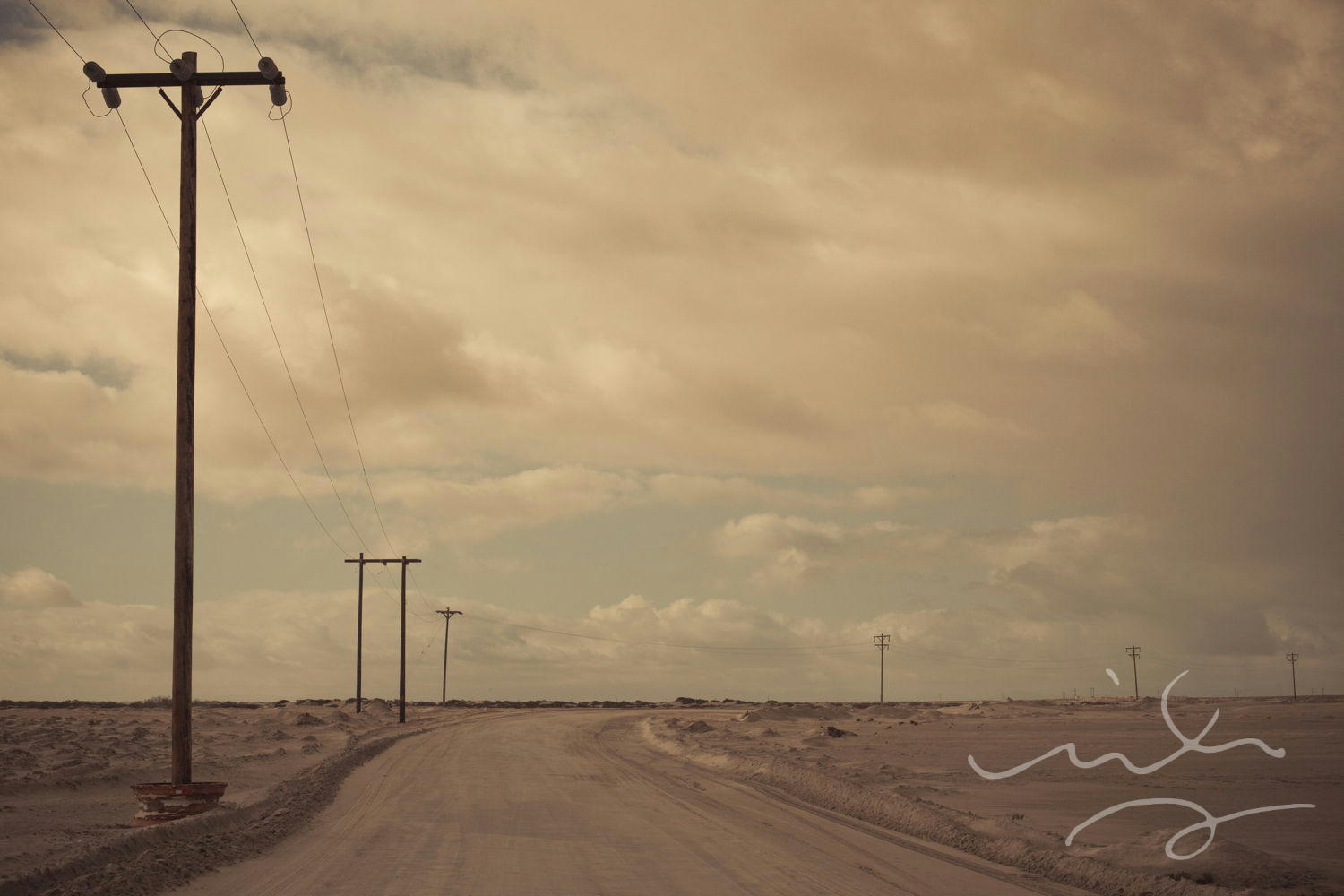
Tucked away in the far corner of India is a Chemical Factory owned by Tata, pumping filth into the air and pouring hot waste into the sea. Normally the waste smog is released at night, making it harder to see, but today, there is a grey cloud covering the area as far as one can see. Tata have their own town nearby, in the vein of 19th-Century western industrialists, which means little information gets out.

None of the factory workers were prepared to talk to me, but many of the villagers were. The water tanks are polluted, the grass the cows eat is tainted, and the roads are coated with filth. Meanwhile, the Tata Nano gets all the headlines.

The plant ostensibly produces soda ash and cement, with by-products and effluence that are not inherently dangerous, but in their quantities and methods of disposal, have destroyed the agriculture – the vast salty slurry pans have effectively poisoned the land and made the ground water undrinkable. Inadequate waste disposal and leakage are slowly destroying the region.

The Vijapur Demolition →

The 4am destruction of 35 houses

View story →


467_small

At 4am, the police arrived and surrounded the village, bringing two bulldozers with them. Cutting the power and hence the lights, they roused the villagers and forced them to flee into their temple while they systematically demolished their houses for being illegally built.

A few days later, sitting in an office at the Human Rights Commission in Mehsana, I suggested to the officer that demolishing peoples’ houses without at least letting them know was pretty criminal. He countered with the perfectly reasonable suggestion that perhaps they had been notified, and it was really only their word against the local government. I accepted this, and offered that, even so, surely arriving at 4am, cutting the power and lights, and then beating men, women and children, and refusing people the opportunity to collect their belongings, was unacceptable. He conceded that I had a point, and quite possibly a very good case to be brought.

The problem with the Human Rights Commission is that they are fairly toothless, and they can only offer recommendations to other government departments and point out problems, rather than enforcement, yet they are one of the few areas offering hope to the tribe at Vijapur. Between meetings with the district magistrate, the very agreeable Mr Ajay Badhoo, the human rights commission, the tribe and the neighbouring town, I concluded that not everyone was telling the truth, quite possibly because not everyone knew the truth. But roughly, here is the outline, in no particular order:

  • The survey of the area with borders and land boundaries was out of date.
  • The tribals had been paying rent for many years.
  • The neighbouring town and merchants did not like the tribals.
  • The order to demolish may have been based on incorrect boundaries.

The idea that an entire village could be demolished on the basis of an incorrect and out of date survey is alarming, and asking the magistrate whether his own house would be treated in this way shows how power, enforcement and justice still work in India.

The House at 18 Rue François Martin →

The family home, Pondicherry

View story →


504_small

When my grandfather sold his tobacco business in East Africa, it made him a very wealthy man. And he came to Pondicherry with his eleven children, gave nearly all his money to the Ashram, and in return they promised they would look after his family for ever. This is the house he lived in. This is our house.

My elderly aunts now live here. My eldest aunt, indeed the eldest of all the siblings, lived here until she was forced into permanent exile by a broken hip, lying on a bed in the Ashram hospital on the oceanfront until she finally passed away, almost 89 years old. The house is almost a prison for my aunts who still live there, and who knows how long the ashram will allow us to keep it, now that new management has replaced the dead and forgotten leaders.

Displaying stories 1 - 4 of 12 in total

People
Life
Environment
Personal Stories
  • Shhh!
    One year, 200 subjects.
Places